What is it ?
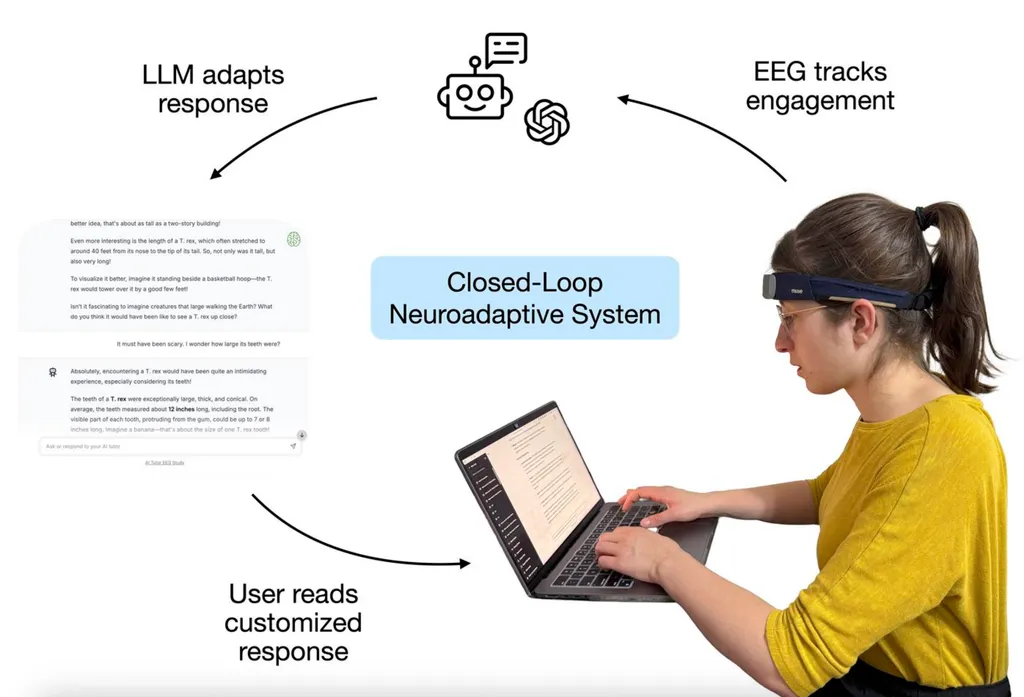
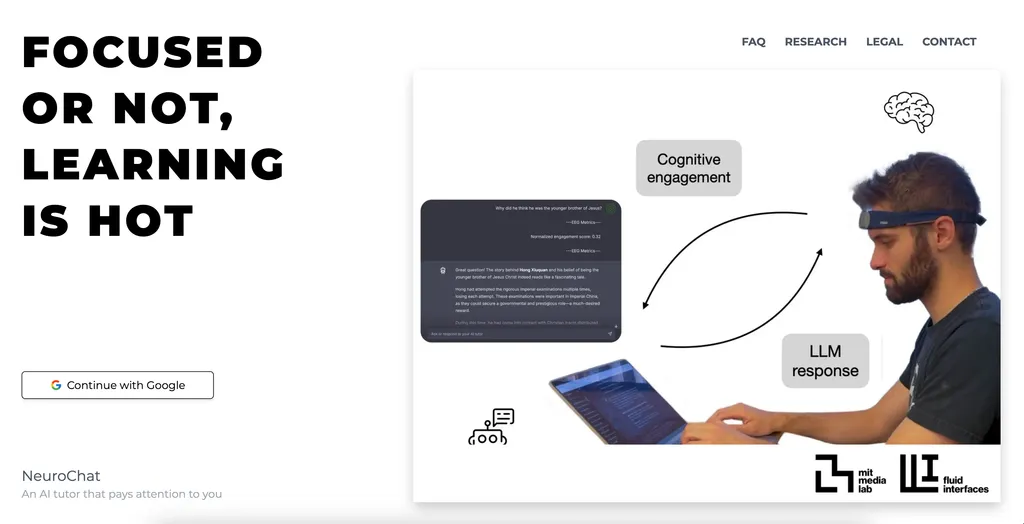
NeuroChat is an AI-powered learning assistant that adapts to your cognitive state in real-time using brain-sensing technology. It combines the Muse EEG headband with advanced language models to deliver personalized learning experiences based on your current level of attention and cognitive load.
This project addresses one of the most pressing challenges in digital learning and AI-human interaction: how can an AI tutor move beyond static responses and actually sense user engagement?
The project is led by Dunya Baradari and Nataliya Kosmyna and is part of the MIT Media Lab.
My role & work
My role was to transform the NeuroChat platform from a research conducting tool to a stable and usable product. I was mainly engaged in full-stack development using the next.js framework and supabase, migrating the application from firebase (no-sql) to supabase (relational) as well as redesigning the database architecture and implementing a very convenient user authentication and consent form signing process.
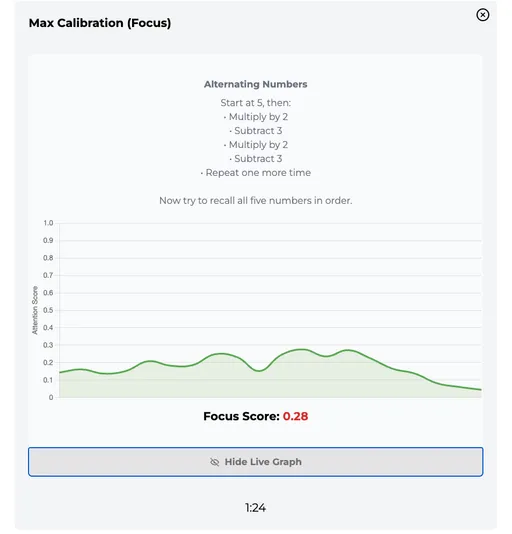
Also, upgraded the visual components of the platform upgrading the EEG headset calibration process and live visualization of the user’s attention score.
Lastly, I contributed to improving and augmenting the preprocessing algorithms for the real-time EEG data from the headset, resulting in a more efficient storing of the high frequency data in the database and features such as the headset removal detection.
All in all, I have gained valuable knowledge in both the cognitive science field and product development.
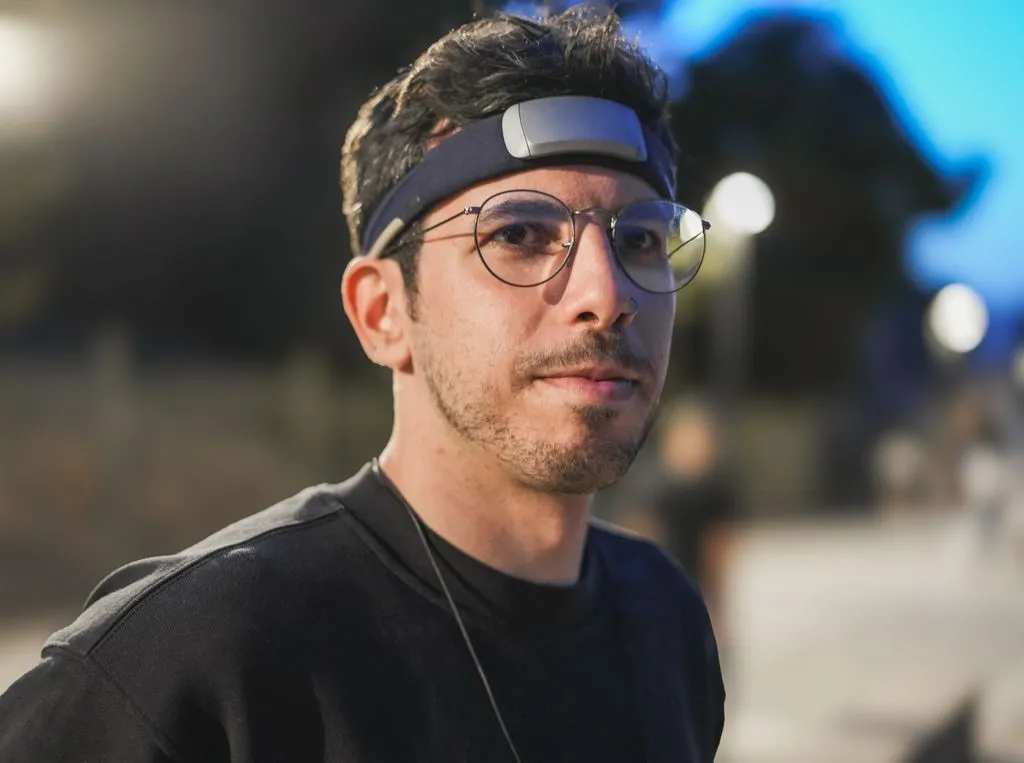
Early stage NeuroChat platform can be found [here]
More info …
You can learn more about the project [here]
NeuroChat paper
Dünya Baradari, Nataliya Kosmyna, Oscar Petrov, Rebecah Kaplun, and Pattie Maes. 2025